Good Eco News!

Back to Good Eco News Articles
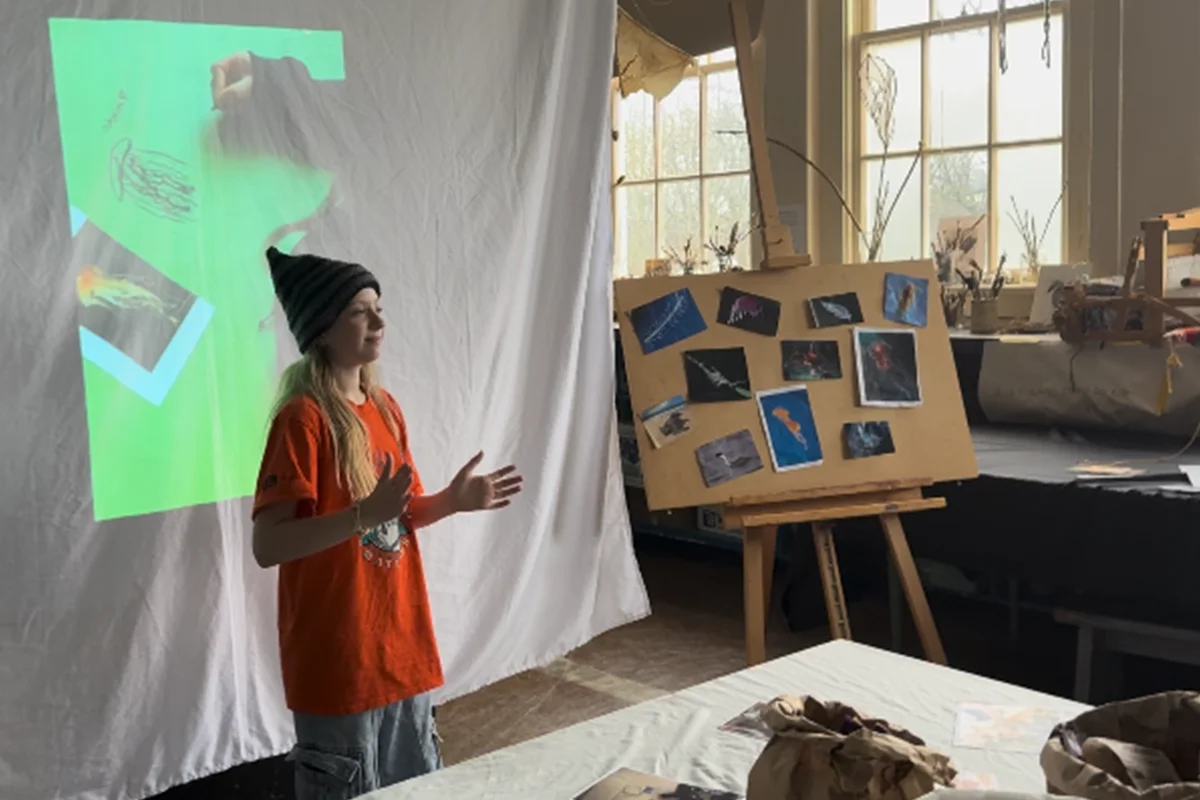
Vancouver school student presents Artivism project

“Artevism”: Adult-Supported, Kid-Led Action Turns Anxiety into Agency

These kids put a powerful new spin on “the plastic arts”!

In the fall of 2025, Future Chicken partnered with a British Columbia school to pilot a project in kid-led environmental activism. The result is a highly engaged group of students with a deeper understanding of waste, sustainability, and — importantly — their own agency in creating environmental change.
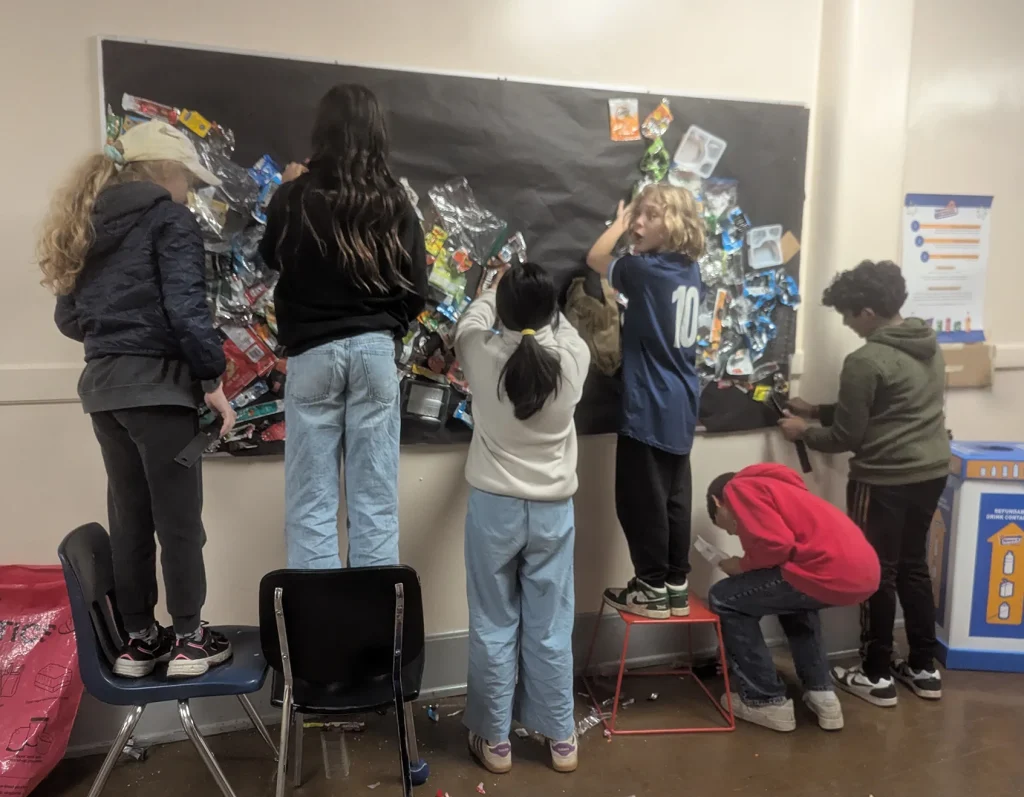
Inspired by Robin “The Trash Man” Green’s interview on the Future Chicken Today Show, grade 5 and 6 students at Florence Nightingale Elementary in Vancouver began gathering plastic waste from their homes and communities. They investigated its origins and what would happen to it in the waste and recycling streams, or in the natural environment. Then they turned it into sculptures of marine mammals for a thought-provoking art installation that was shared with parents, fellow students, and guests.

But the story doesn’t end there. The kids and Future Chicken collaborated on a top-notch video to amplify their voices and inspire others to find their own.
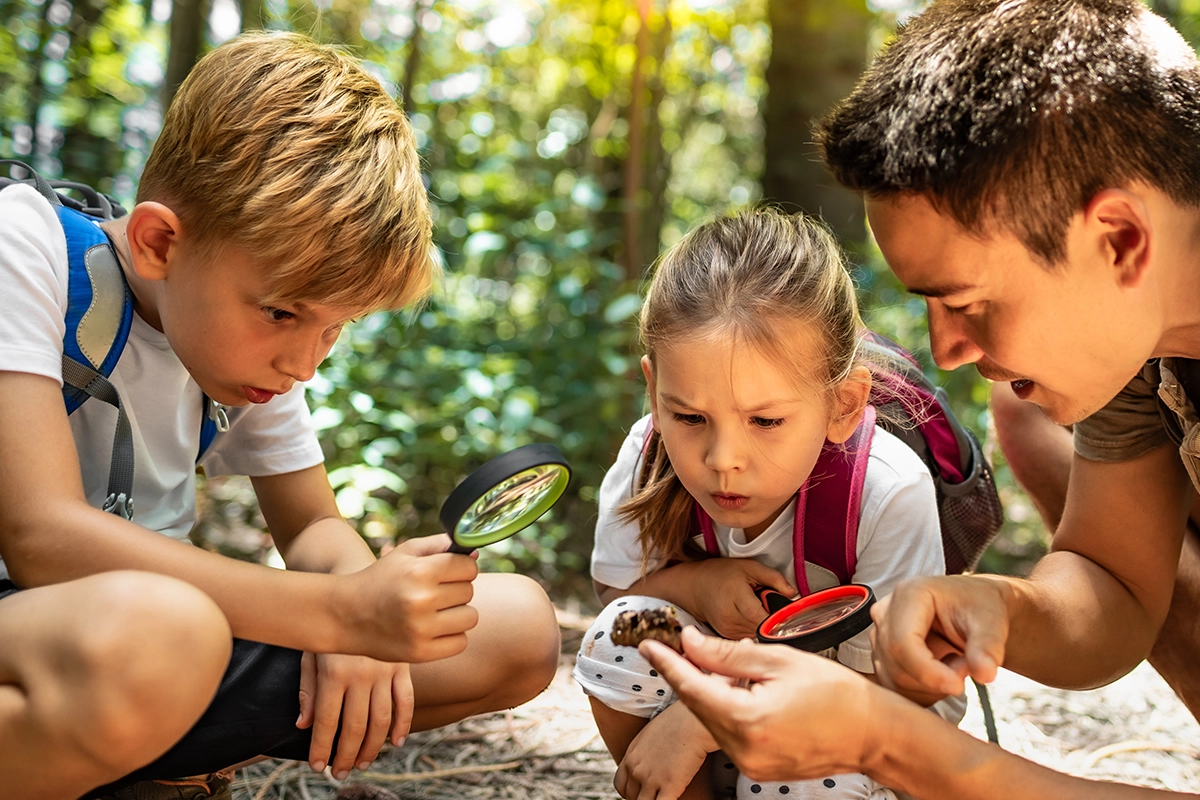
Do Science with your Own Senses

In March, the weather is changeable. It’s warm one day, cold the next, and damp or dry by turns. That makes it the perfect time to get outside and do some science! You don’t need any special materials. Just go out walking with your kids in different weather conditions and talk about what you notice […]

Read more

“Don’t Look Away”: Montreal Students Use Music to Inspire Change

These students are proving that raising your voice works best with a catchy chorus.   Every year, grade-six students at Carlyle Elementary School in Montreal team up with music teacher Christine Crawford to write, compose, and record an original song about an important theme. This year’s song, “Don’t Look Away,” is about choosing to build a […]

Read more

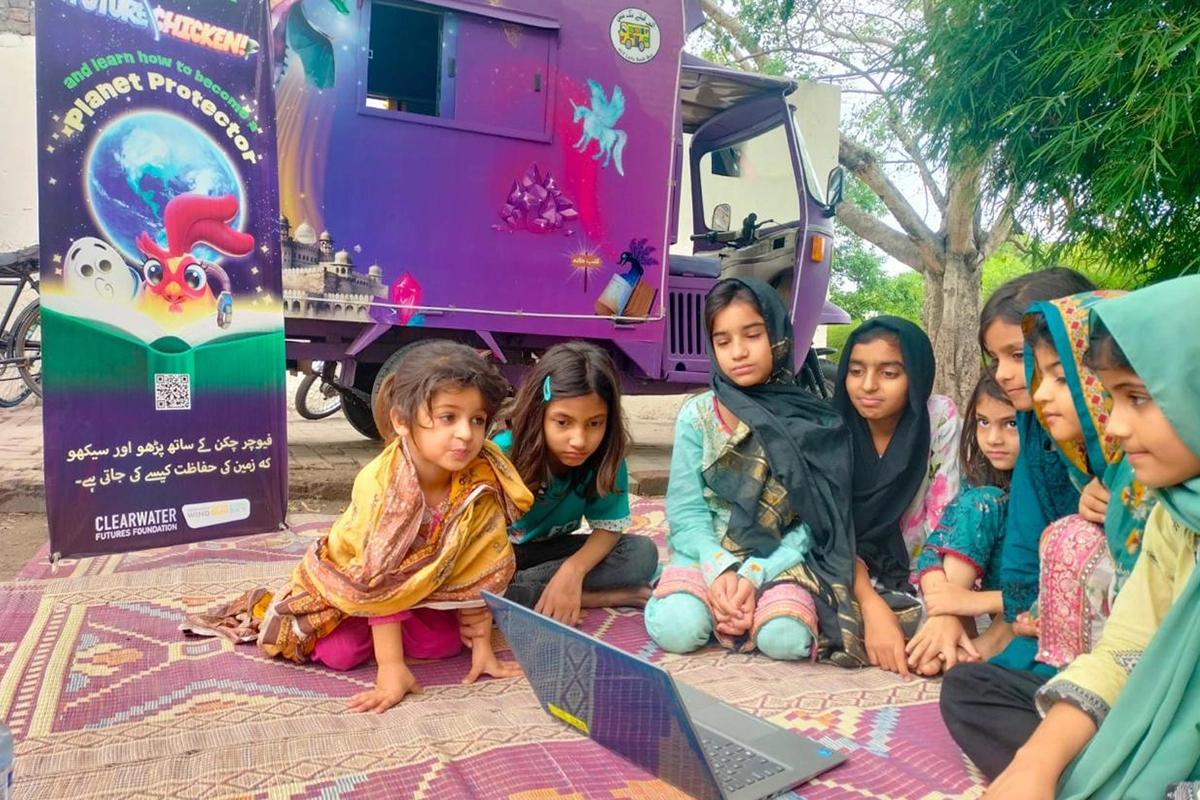
Future Chicken Pakistan is Growing Climate Heroes

In Pakistan, children are feeling the effects of climate change firsthand. Many were displaced by flooding in 2025; others live in cities choked by air pollution. These are the children who most need to bridge the “hope gap” and know that they are not helpless. 

Read more