
Do Science with your Own Senses
In March, the weather is changeable. It’s warm one day, cold the next, and damp or dry by turns. That makes it the perfect time to get outside and do some science!
You don’t need any special materials. Just go out walking with your kids in different weather conditions and talk about what you notice about the temperature, the weather, and how you feel. And to make you look super smart, we’ll arm you with some facts beforehand.
- Very cold days are likely to have clear skies. That’s because cold air doesn’t hold moisture well, so clouds have trouble forming.
- Of course, that means warmer air does hold more humidity, which accounts for all that springtime dampness you feel.
- Moisture on your skin conducts heat away from your body more quickly than dry air does, so damp days can feel colder than dry ones, even when they aren’t.
- Wind makes you feel cold by quickly whisking your body heat away.
- It’s a myth that you lose 40% of your body heat through your head…sort of. You lose the most heat through whichever part of your body is uncovered.
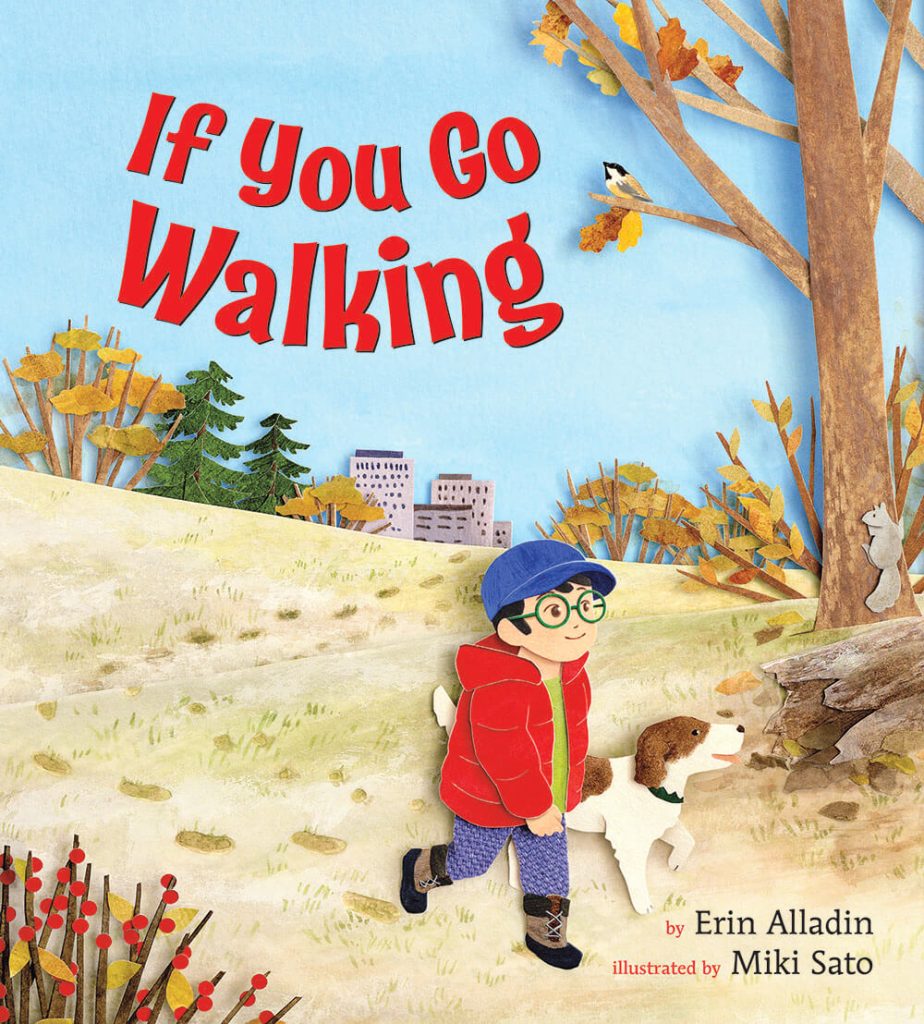
For more invitations to wonder outdoors, look for If You Go Walking — a picture book by Future Chicken’s own Erin Alladin and illustrator Miki Sato.