
A Future Chicken Learning Resource for Educators, Parents & Caregivers
What makes a butterfly a super sipper? How does a duck become a super swimmer? Why do some animals migrate, hibernate, or camouflage themselves to survive?
In this exciting Future Chicken learning experience, for kids ages 6–10, we explore the amazing “superpowers” animals use to survive in their habitats. Inspired by the Future Chicken video featuring young wildlife conservationist Aneeshwar Kunchala, this resource helps children build curiosity about the natural world while encouraging empathy, observation, and environmental stewardship.
Through playful discussion prompts, habitat exploration, and hands-on learning opportunities, children discover that every animal has unique adaptations that help it find food, stay safe, communicate, and survive.
And along the way, kids are encouraged to discover something important:
People have superpowers too!
Watch the Video
Animal Superpowers with Aneeshwar Kunchala and Future Chicken
In this engaging video adventure, Future Chicken and Aneeshwar explore incredible animal adaptations and behaviors that help animals survive in the wild. Children will learn how animals use their bodies, senses, and behaviors as survival tools — and how humans can become “Planet Protectors” by helping animals and protecting habitats.
Video Length: Approximately 11 minutes
Download the Educator & Caregiver Companion Presentation
This learning resource includes a downloadable companion presentation designed to support classroom learning, homeschool exploration, and family discussions. The presentation includes:
- pre-viewing discussion questions
- post-viewing reflection prompts
- animal adaptation activities
- habitat exploration ideas
- communication and speaking prompts
- conservation-focused discussions
- extension activities for classrooms and home learning
The companion presentation also supports key learning goals including oral communication, understanding habitats, identifying animal needs, and recognizing how adaptations help animals survive. The presentation is fully editable, allowing educators and caregivers to adapt activities, discussion prompts, and learning opportunities to meet the unique needs and interests of their children or students.
Having challenges downloading the Files?
Try right-clicking the button and selecting “Save As”, check your device’s downloads folder, or your browser’s security settings.
This learning resource also includes editable assessment checklists that help educators observe and assess student participation, communication skills, critical thinking, and understanding of key concepts explored throughout the lesson. The checklists support assessment in areas such as group discussions, understanding animal needs and habitats, and reflecting on personal strengths and “superpowers.”
Special thanks to our Learning Innovation Committee Team member Susan Sheard for developing The Animal Superpowers presentation and Assessment Checklist.
Why Teach Kids About Animal Superpowers?
Animals have incredible adaptations that help them survive in different environments. These adaptations can be physical features — like webbed feet or camouflage — or behaviors like migration and hibernation.
Learning about animal adaptations helps children:
- build curiosity about nature
- strengthen observation skills
- understand ecosystems and habitats
- develop empathy for living things
- explore environmental stewardship
- connect science learning to the real world
Most importantly, it helps children see that humans are part of nature too — and that we all have a role to play in protecting the planet.
What Children Will Learn
By exploring this resource, children can:
- identify the basic needs all animals share
- understand the difference between wild and domestic animals
- explore how habitats support living things
- discover how animal adaptations help animals survive
- practice discussion and observation skills
- reflect on ways humans can help protect animals and habitats
- identify their own unique strengths and “superpowers”
These learning goals are reinforced throughout the companion presentation.
Meet Some Amazing Animal Superpowers
Super Swimmers
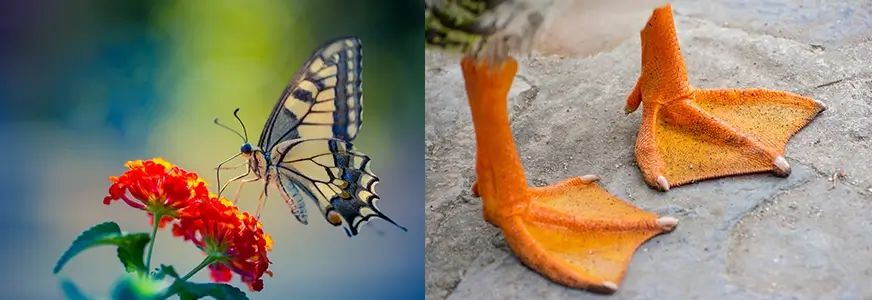
Why do ducks have webbed feet?
Their feet act like paddles, helping them move through water quickly and efficiently.
Super Hiders
Some insects look exactly like leaves, bark, or sticks. Camouflage helps animals hide from predators and stay safe.
Super Sniffers
Butterflies use their antennae to sense smells and explore the world around them.
Super Communicators
Frogs use vocal sacs to create sounds that help them communicate with other frogs.
Super Travelers
Some animals migrate long distances to find food, warmer weather, or safer places to live.
Super Sleepers
Animals like bears hibernate to survive cold winters when food is hard to find.
Questions to Explore Before Watching
Before watching the video, invite children to think deeply and make predictions.
Try asking:
- What do you think an animal superpower might be?
- What special abilities do animals use to survive?
- What is your favorite animal and why?
- What superpower do you think a chicken might have?
- Do people have superpowers too? What kinds?
Encouraging children to share ideas before viewing helps activate curiosity and build engagement.
Discussion Questions After Watching
After viewing the video, encourage children to reflect, discuss, draw, or journal about what they learned.
Connect with Nature
- How did Aneeshwar connect with animals and nature?
- How did Future Chicken show care for living things?
- When have you felt connected to nature or animals?
Protect Animals & Habitats
- What are ways humans can help protect wildlife?
- Why are habitats important?
- What can happen when habitats are damaged?
Think Like a Scientist
- Which animal adaptation surprised you most?
- Which superpower would help you survive in the wild?
- What habitat would you like to explore?
Understanding Habitats
Animals need safe places to live where they can find:
- food
- water
- shelter
- space
Different habitats meet these needs in different ways.
Children can explore habitats such as:
- forests
- wetlands
- rivers
- lakes
- grasslands
- coral reefs
- tundra
- rainforests
Encourage children to imagine:
- What adaptations would help them survive?
- What animals might live there?
- What would they eat?
- How would they stay safe?
Wild Animals and Domestic Animals
This resource also introduces children to the difference between:
- Domestic animals — animals cared for by people
- Wild animals — animals that live independently in natural habitats
Children are encouraged to think about how humans help domestic animals meet their needs — and how we can help protect habitats so wild animals can survive too.
Become a Planet Protector
One of the biggest messages in this learning experience is that kids can make a difference.
Children are encouraged to become “Planet Protectors” by helping animals and caring for the environment.
Ways Kids Can Help
Children can:
- explore local habitats respectfully
- observe wildlife without disturbing it
- plant native flowers or trees
- help pollinators
- participate in community cleanups
- learn about local wildlife
- create nature journals
- build empathy for living things
Even small actions can help protect habitats and support biodiversity.
Additional Activity Ideas for Home & Classroom Learning
Habitat Detectives
Visit a local park, forest, or outdoor space.
Ask children:
- What animals might live here?
- What would they need to survive?
- What animal clues can you spot?
Create an Animal Superpower Poster
Choose an animal and draw:
- its habitat
- its special adaptations
- how its superpowers help it survive
Nature Sit Spot
Spend quiet time outdoors observing nature.
Children can:
- sketch animals or plants
- map sounds they hear
- write observations
- look for animal behaviors
Discover Your Own Superpower
Invite children to reflect on their own strengths.
Ask:
- What makes you a good friend?
- How do you help others?
- What is your superpower?
Supporting Social-Emotional Learning
This resource encourages children to think about compassion, identity, confidence, and connection.
By recognizing the strengths of animals — and themselves — children can build self-awareness and empathy.
The idea that “everyone has a superpower” helps create meaningful connections between science learning and personal growth.
Tips for Educators & Caregivers
- Encourage open-ended discussion
- Let children wonder and ask questions
- Focus on curiosity over memorization
- Connect learning to local environments
- Allow opportunities for drawing, movement, and storytelling
- Celebrate different ideas and observations
Children learn best when they feel emotionally connected to the topic.
Extend the Learning
Pair this resource with:
- nature walks
- habitat mapping activities
- animal research projects
- journaling exercises
- biodiversity discussions
- local conservation initiatives
You can also explore additional Future Chicken short videos related to:
- pollinator highways
- coral reefs
- dung beetles
- spiders
- mangroves
- salmon runs
- community gardens
- habitat protection
Final Thought
Every animal has special adaptations that help it survive.
Every habitat matters.
And every child has the power to care for the living world around them.
By helping children connect with nature through curiosity, empathy, and exploration, we can help raise the next generation of Planet Protectors.


