
Learn with Future Chicken
Learn with Future Chicken
Future Chicken Learning Resource Library
Explore our library of learning resources to discover fun activities, cool experiments, and eco-focused videos that inspire planet-positive action. Created with guidance from both our Future Chicken Advisory Committee and the Learning Innovation Committee, these resources align with global goals for a better future. Organized into five key learning themes—each represented by a Planet Protector—they help kids understand how small steps can make a big impact.
Resource Library
Colouring Page Every Drop is Important
Theme: Cycles & Circles, Water

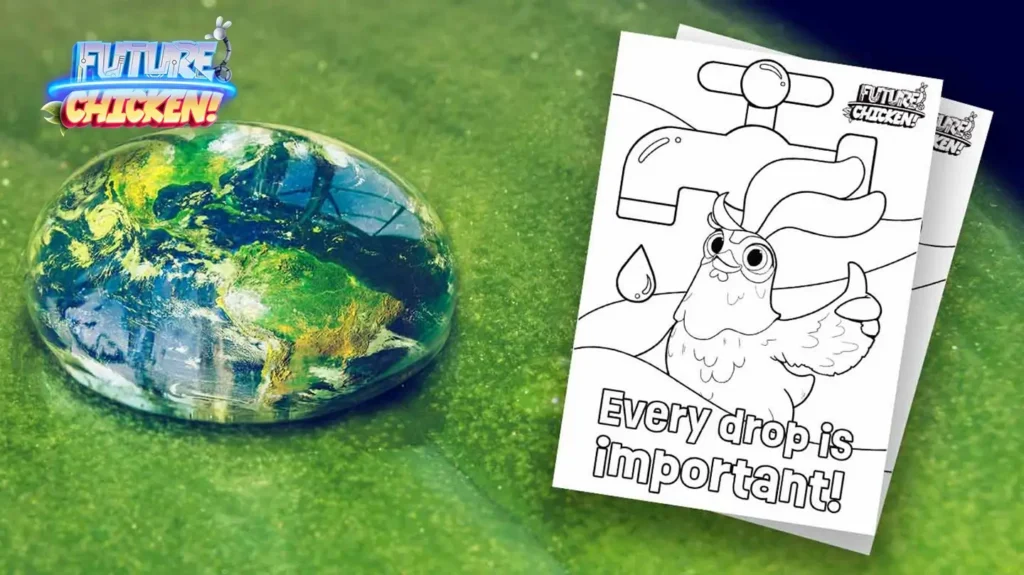
This poster for children to download and bring to life with their artistic creativity also opens the door to discussion of an astounding water fact. Did you know that less than 1% of all water on earth can be used by people? That’s because the rest is either salt water, or frozen. As population grows, more […]
What is Global Weirding? With Katharine Hayhoe
Theme: Cycles & Circles, Healthy Communities, Water
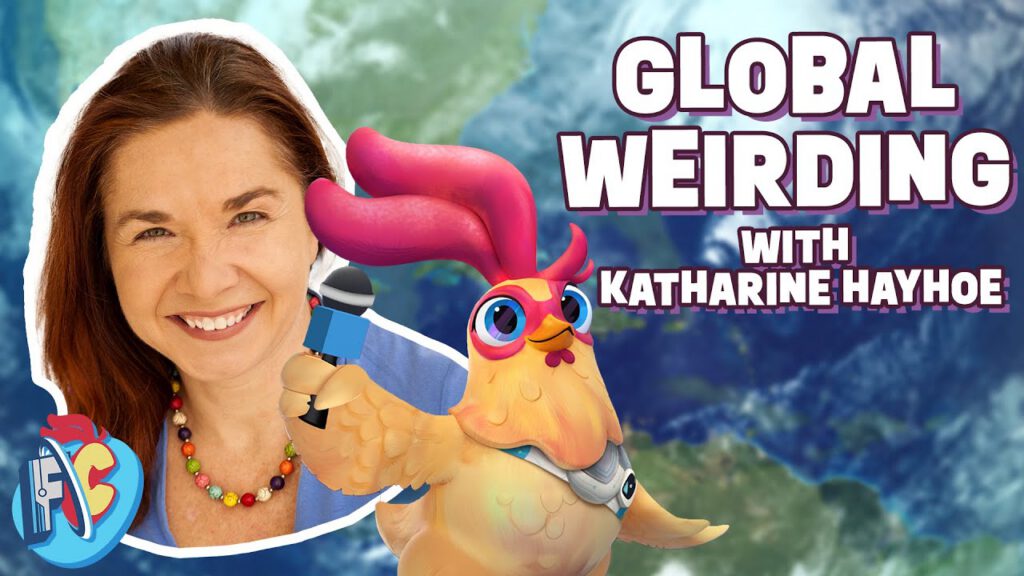
Future Chicken and Frittata learn why atmospheric scientist Katharine Hayhoe, calls it “global weirding” instead of global warming. Learn some of the challenges of climate change and how our actions are influencing the planet’s future. Katharine shares how we can all play a role in combating climate change by spreading awareness, making eco-friendly choices, and […]
Why Water Matters! Interview with Autumn Peltier
Theme: Water
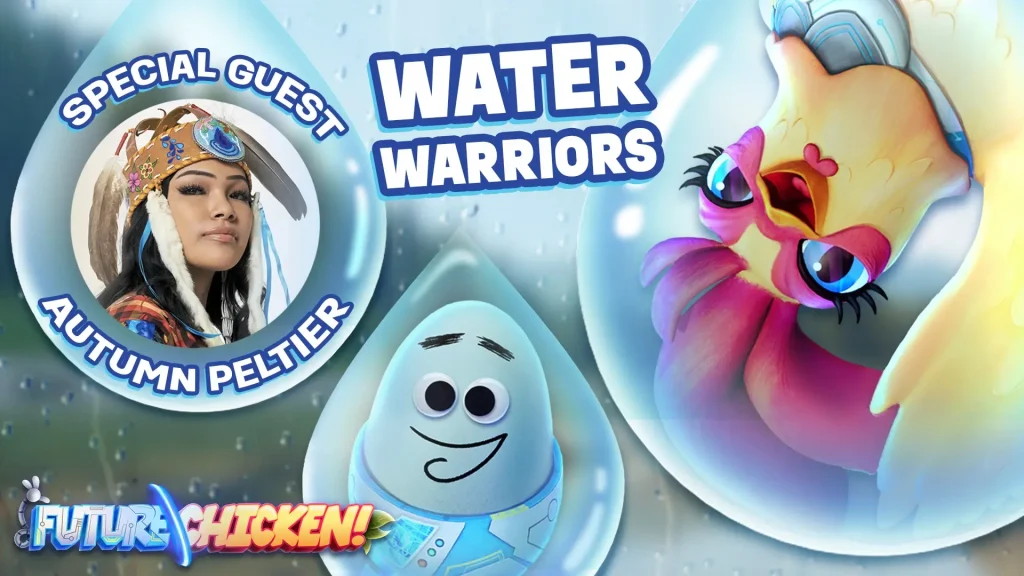
Water is everywhere, but did you know it’s also one of the most precious resources on Earth? 💧 In this special talk show episode, Future Chicken and friends dive into the world of water conservation—why it matters, where it comes from, and how we can all do our part to protect it. 🌍 From the […]
Why This Scientist Calls it Global Weirding not Global Warming: Interview with Katharine Hayhoe
Theme: Clean Energy, Cycles & Circles, Healthy Communities, Water
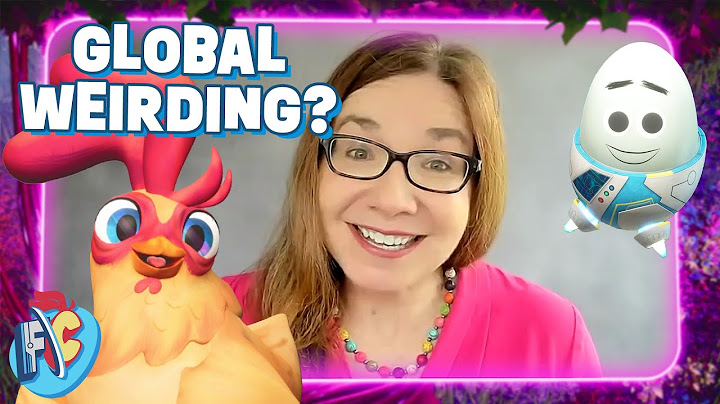
Special guest Katharine Hayhoe, a renowned climate scientist, joins the team to explain the concept of Global Weirding and how every action we take can make a difference. She shares insights on how kids and communities can work together to combat climate change and become catalysts for inventive change.
How is Electricity Made from Waves?
Theme: Clean Energy, Water
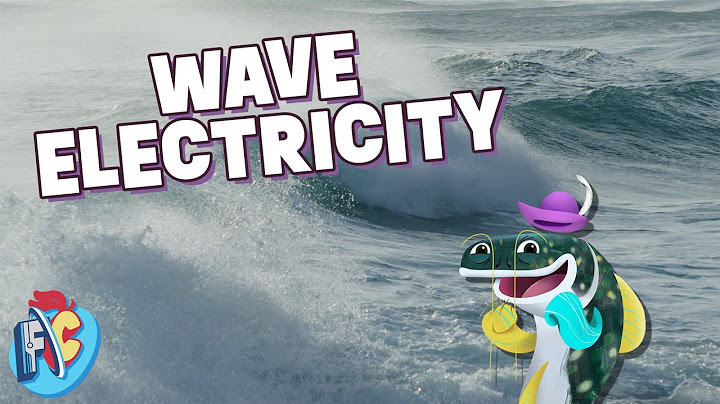
Curious about wave power? Persa answers the question, “How is electricity made from waves?” 🌊⚡️ Persa dives into the science and technology behind wave-generated electricity. Discover how the power of the ocean is harnessed to create clean, sustainable energy for our planet. 🌍🔋
How Do We Get Electricity from Water?
Theme: Clean Energy, Water
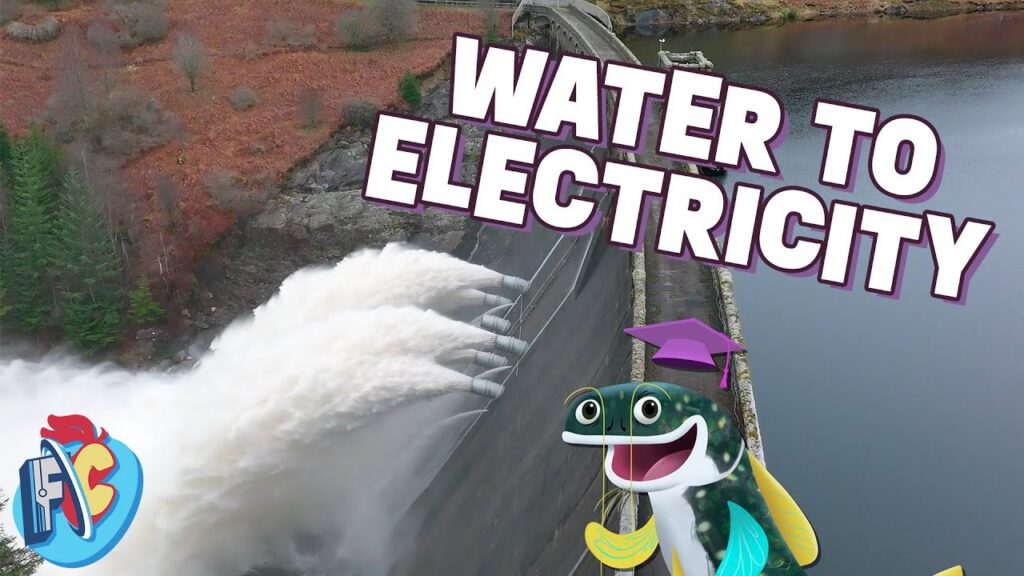
Curious about wave power? Persa answers the question, “How is electricity made from waves?” 🌊⚡️ Persa dives into the science and technology behind wave-generated electricity. Discover how the power of the ocean is harnessed to create clean, sustainable energy for our planet. 🌍🔋
Using Salt to Make New Green Batteries
Theme: Clean Energy, Water
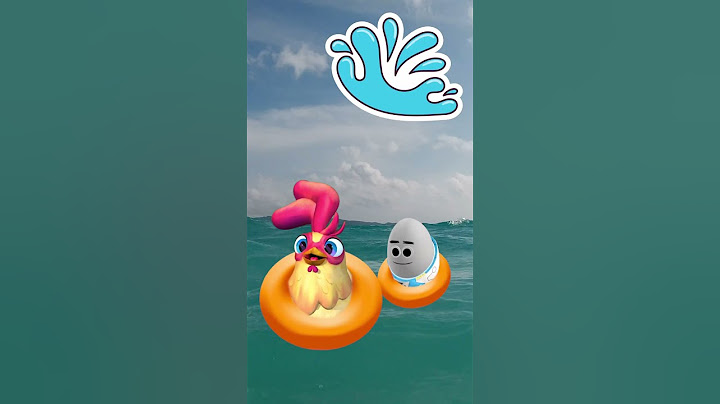
Future Chicken and Frittata learns how salt is used to make green energy batteries! Our duo explores the science behind these innovative energy storage solutions, explaining how they work and their benefits for renewable energy. From the chemistry involved to the potential for revolutionizing energy storage, Potato and Frittata break down everything you need to […]
Why Water Fountains are Good for the Environment
Theme: Healthy Communities, Water
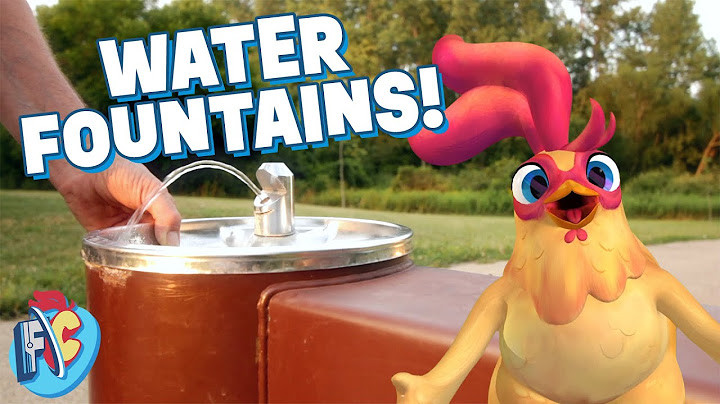
FC explores the benefits of water fountains and the importance of drinking water sustainably! She dives into how water fountains provide a convenient and eco-friendly source of hydration, reducing the need for single-use plastic bottles. Learn about the health advantages of staying hydrated, the environmental impact of plastic waste, and how water fountains promote sustainability […]
How Do Swamps Help the Planet?
Theme: Water
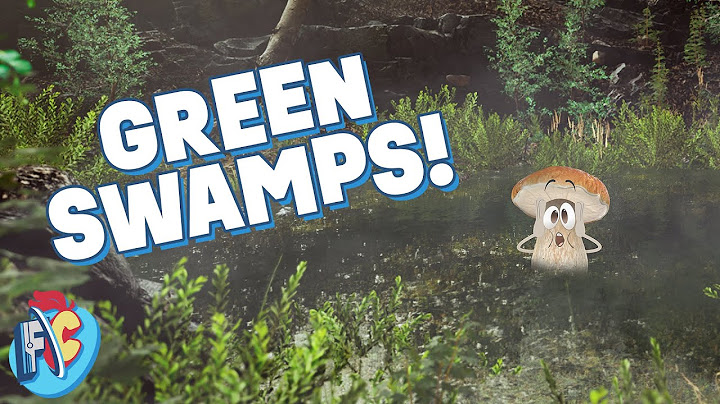
Bello dives into the fascinating world of swamps and answers the question, “How do swamps help the planet?” Bello highlights the critical importance of swamps in maintaining ecological balance. Discover how swamps act as natural water filters, support diverse wildlife, and help mitigate climate change by storing carbon.