
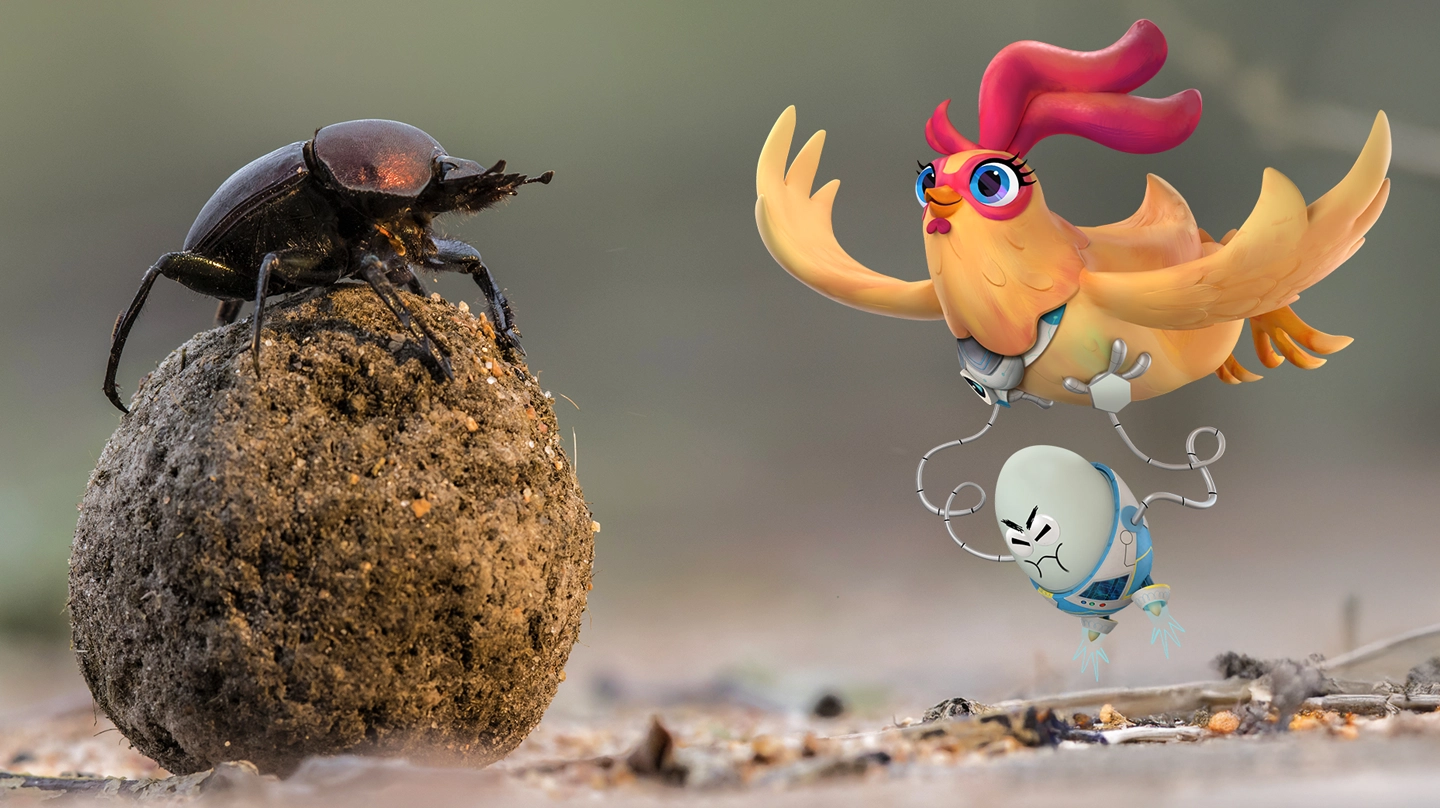
Discover the fascinating world of dung beetles and the important role they play in maintaining healthy ecosystems! By recycling waste, dung beetles help break down organic matter, enrich the soil, and keep the cycle of nutrients moving. Whether you’re a curious kid, a parent, or a teacher, this guide will introduce you to nature’s top recyclers and provide fun ways to learn more about their essential jobs in the circle of life.
Meet Nature’s Ultimate Recycler
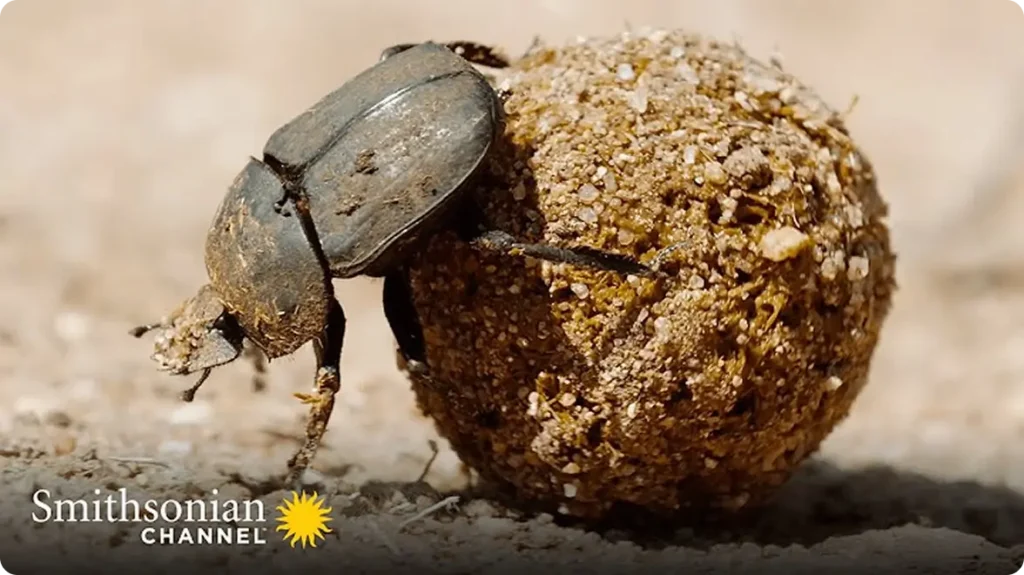
Dung beetles are some of the most hardworking creatures on Earth! These remarkable insects spend their lives turning animal waste into valuable resources for soil and plants. Found on every continent except Antarctica, dung beetles come in thousands of different species, each with their own special way of handling waste.
- Super Strength: Dung beetles are incredibly strong, able to roll and carry pieces of dung much larger and heavier than themselves.
- Navigation Masters: They use the sun, moon, and even the Milky Way galaxy to navigate while rolling their dung balls.
- Ecosystem Heroes: Dung beetles help enrich the soil and support a healthy ecosystem by breaking down waste and recycling nutrients back into the earth.
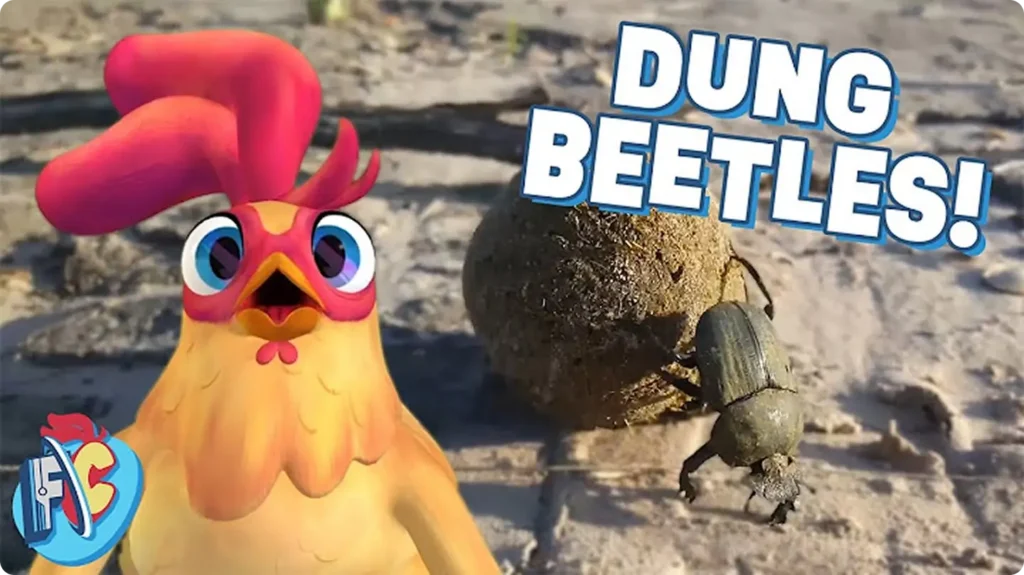
See it for yourself! Join Future Chicken and Frittata as they watch dung beetles in action—they were amazed to discover how these little recyclers roll with the dung, unlocking a whole new world about poop and the cycles of nature.
Why Dung Beetles Matter in Our Food Systems
These busy beetles play a crucial role in keeping our agricultural systems healthy and productive. Without them, farms would be buried under mountains of animal waste, and our soil would lose important nutrients that help grow the food we eat.
- Soil Enrichment: Dung beetles bury waste deep in the ground, creating natural fertilizer that helps crops grow stronger.
- Disease Prevention: By removing waste from the surface, they reduce harmful bacteria and parasites that could affect livestock and humans.
- Carbon Storage: Their tunnelling activities help store carbon in soil, fighting climate change.
Tips for Parents and Teachers
When introducing kids to dung beetles and ecosystems, focus on sparking their curiosity and encouraging exploration.
Activate Curiosity: Instead of explaining everything upfront, show a picture of a dung beetle in action and ask kids to share their thoughts and questions.
Encourage Investigation: Guide kids to seek answers through research, experimentation, and observation. For example, after watching a video or completing an activity, ask:
- What surprised you most?
- What questions do you still have?
- How can we find the answers?
Make it Hands-On: Use creative activities like dioramas, art projects, or storytelling to make learning memorable and fun.
Activity: Dig into More Dung!
Anatomy Exploration Activity:
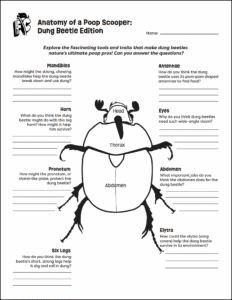
- Study the Structure: Examine the dung beetle’s head, thorax, abdomen, legs, and special horn.
- Function and Strength: Observe how each body part helps the beetle dig, carry, and navigate with heavy dung balls.
- Sensory Systems: Learn about their antennae and eyes that help them find fresh waste and navigate long distances.
Downloadable Resources:
For parents and educators looking for more in-depth material, check out our additional resources:
Activity: Dung Beetle Art!
Let’s roll with the dung beetle…literally! We’re going to create art that celebrates these amazing recycling champions.
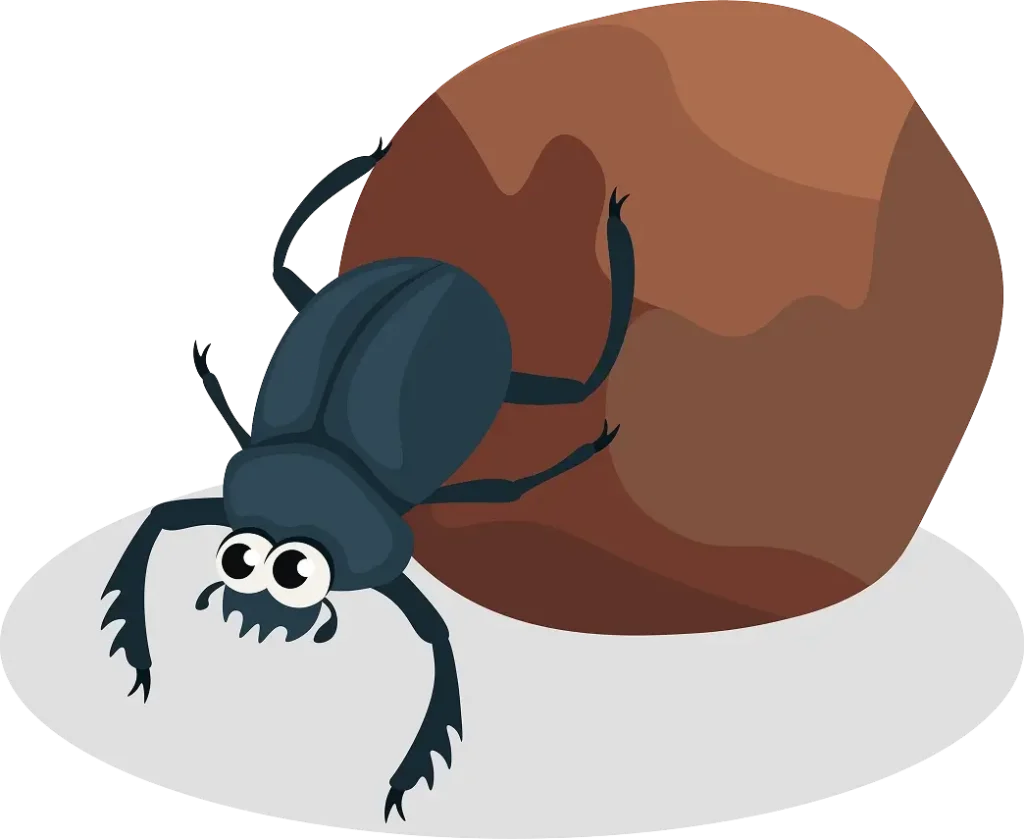
Materials Needed:
Paper or canvas
Paint (brown, green, black, and metallic colors)
Googly eyes
Glue or craft adhesive
Shredded recycled paper or brown play doh
Small paintbrushes
Paper plates for paint mixing
Instructions:
Draw the outline of a dung beetle on your paper – include the oval body, six legs, and distinctive horn.
Take shredded paper or play doh and form it into a ball. Paint it brown and attach it to your drawing so it looks like your beetle is rolling it.
Use black and dark brown to color the beetle’s body and, if available, add metallic highlights to show the beetle’s shiny shell.
Glue googly eyes onto your beetle for a fun, animated look.
Paint a simple landscape in the background showing where your beetle lives.
Talk about it:
- What surprised you most about dung beetles?
- How does making art help you remember important facts about these insects?
Follow up Activities to Dive Deeper into Dung!
- Become a Soil Scientist: Grab a grown-up and a magnifying glass and head outside to explore the soil. What do you see? Look for different colours and textures. Can you spot tiny rocks, fallen leaves, or other findings? You can even collect a small sample in a clear jar, add some water, shake it up, and watch as the different layers of sand, silt, and clay settle. This is what dung beetles help mix up to keep the soil healthy!
- Research and Create a Diorama: Research different dung beetle habitats. Choose one and create a dung beetle diorama in a box.
- Write ‘A Day in the Life of a Dung Beetle’: Choose a format—text, picture book, comic strip, audio, or even claymation—and tell the story of a dung beetle’s day.
- Beetle Comparisons: Look at images of other kinds of beetles. Choose one or more to research. How are their adaptations similar to or different from dung beetles?
- Design Your Own Amazing Insect: Create your own incredible insect! What clever adaptations does it have? What surprising habits does it exhibit? What are its superpowers? How does it help other living things? And, of course, what would you call it?


