
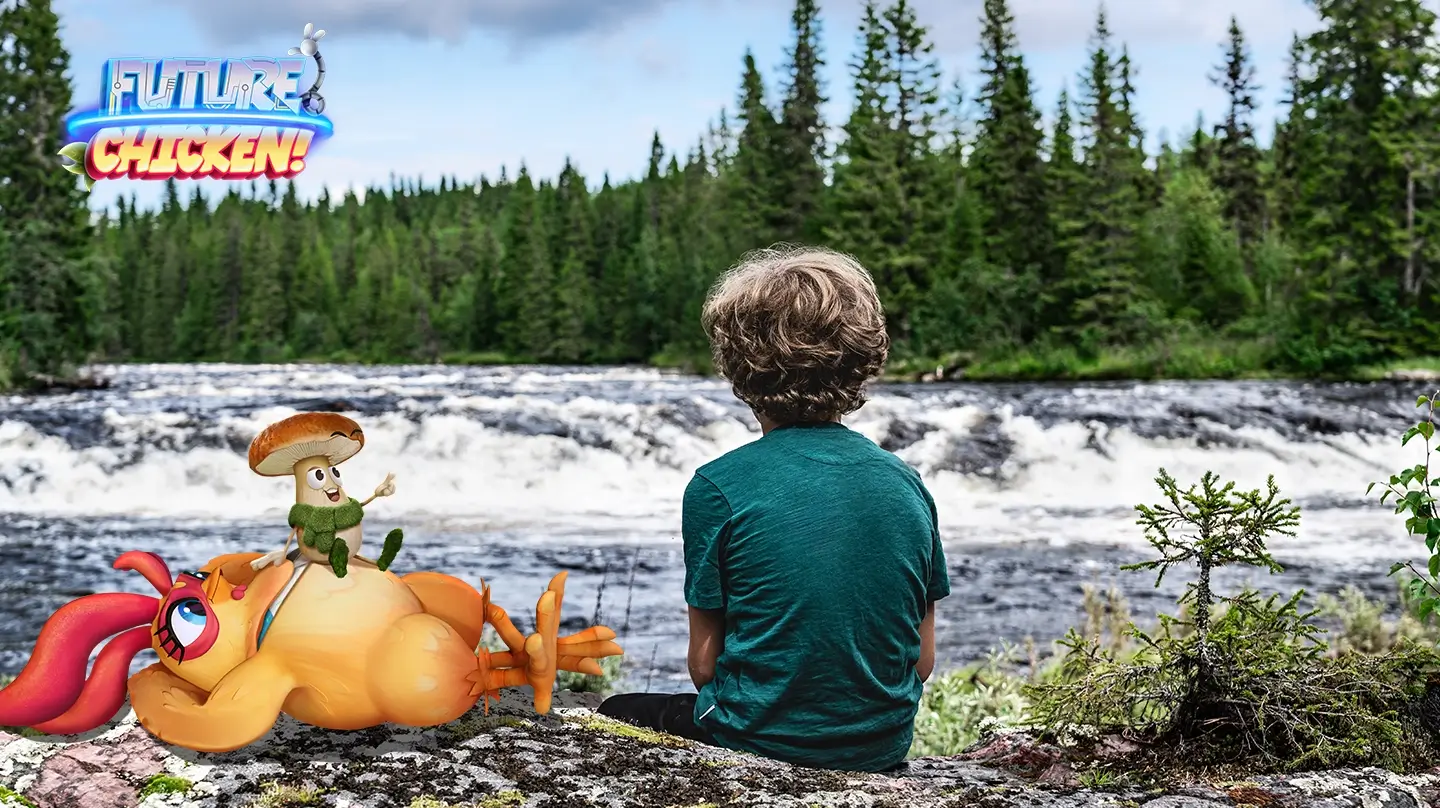
What is a Sit Spot?
A sit spot is a personal patch of the natural world – a place a child visits regularly, across seasons and in all kinds of weather, to observe, wonder, and build a genuine relationship with the natural world. In returning to this place again and again, children learn about the world through the power of their own senses. As simple as this practice is, small variations can bring out different experiences – emphasizing mindfulness and attention, or even connecting with other areas of the curriculum such as math, science and art.
Sit spots can:
- encourage mindfulness and emotional regulation
- strengthen observation and critical thinking skills
- build confidence and independence
- support outdoor and nature-based education
- inspire creativity and curiosity
- deepen a child’s relationship with the natural world
Here’s how you can help children develop a sit-spot practice of their own.
Choose a Sit Spot
Identify a safe outdoor area you’ll be able to visit often and in all kinds of weather. If you are taking a large group, the area should be large enough for children to spread out so they can sit independently, and far away from each other so as not to distract one another. Quiet spaces away from heavy traffic and distractions work best, but urban environments still offer valuable opportunities for nature observation.
Possible sit spot locations include:
- schoolyards
- parks
- gardens
- walking trails
- quiet backyard corners
- community green spaces
Allow children to explore different locations before choosing their own sit spot. Once they’ve made their selection, they will revisit the same spot every time, building a relationship with it and getting to know its every change through different weather and seasons.
Keep Sit Spot Time Age-Appropriate
Younger children may only sit comfortably for a few minutes, while older children may enjoy spending longer periods observing independently. The general guidelines below are helpful for younger children, but don’t rule out sit-spots for older children, teenagers and even adults – people of all ages can enjoy and benefit from this practice!
Suggested timing:
- ages 6–7: 3–5 minutes
- ages 8–9: 5–10 minutes
- ages 10–11: 10–20 minutes
Sit Spot Activities
Nature Learning
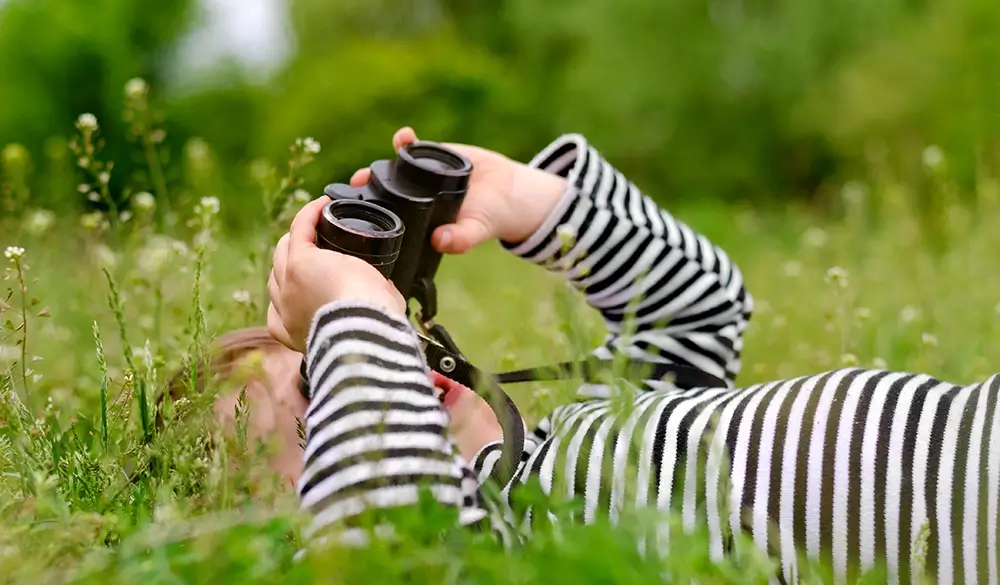
Keep a nature journal.
Every time you visit your sit spot, write down or draw what you see. What has changed since last time? What is the same? What is catching your attention today? How do you feel while you sit here and observe? What questions do you have? Have you noticed any answers to some of your previous questions?
Track the weather.
Before separating into individual sit spots, take the temperature together. On your own, write down what you see and feel: strong winds, gentle breezes, damp or dry air, rain, fog, snow, sunlight, clouds (What kind? Draw them, describe them, or name them). Over time, do you notice patterns in the weather as the seasons change?
Create seasonal art.
Draw or paint one feature that you can see from your sit-spot, such as a bush or tree. Add as much detail as you can and label all the features you notice, such as leaves, bark, branches, buds or flowers. Draw the same tree again as the seasons change and notice: what changes, and what stays the same?
Meet the birds.
Use your eyes and ears to notice the birds around you. Do you notice any patterns in their songs? Try writing down the sounds they make. See if you can spot a bird singing and match how it looks to how it sounds. Birding apps or field guides can help you identify the birds you hear and see. Pick one bird and try to memorize its song.
Be a biologist.
Write down or draw all the living things you can see in your sit spot, including plants, fungi, insects, birds, humans, and other animals. Do the living things you see change over time?
Make a sound map.
Close your eyes and listen to the sounds around you. What direction are they coming from? Draw or map the sounds, including wind, birds, distant traffic, the buzz of insects and the rustling of leaves.
Be a sit-spot steward.
Notice human-made changes to your sit spot. Are they good changes, bad ones, or neutral ones? Make a plan to help the nature in your sit spot thrive. Your plan might include steps like:
- Research the plants, animals, and insects I see. Find out what their needs are.
- Pick up litter safely and encourage people to keep the area clean.
- Think about how my actions affect my sit spot. What can I do or not do to keep nature safe when I interact with it?
- Find out how First Peoples took care of this land. Can I do any of the same things?
Regulating Activities
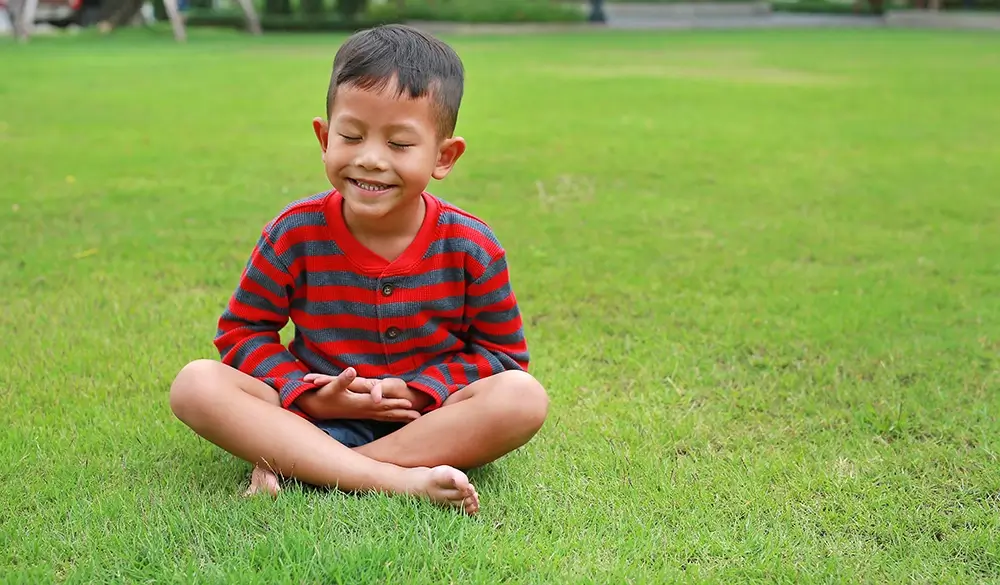
Keep a sensory journal.
Before and during your sit spot time, write down what you feel with your hands, what you hear with your ears, what you smell with your nose, and what you see with your eyes. Next, write down what you feel inside, choosing both sensing words (tight chest, wiggly feet) and emotional words (worried, excited). After your sit spot time, notice whether your mood has changed.
Practice nature meditation.
Help your thoughts quiet down by sitting comfortably, closing your eyes, and choosing an anchor to focus on while you take slow, deep breaths. The anchor can be the feeling of your own breathing, the pressure of your body against the ground, or the sounds you hear around you.
Try a grounding exercise.
Your sit spot can be a great place to visit when you’re feeling overwhelmed. Try staring at one spot and naming all the things you can see without moving your eyes. Or name five things you can see, five things you can hear, five things you can touch, and five things you can smell.
Other Activities You Can Take Outside
Literacy and Writing
- Read a book.
- Do some creative writing.
- Gather observations for some nonfiction writing.
Math
- Measure items and record your findings.
- Choose categories and group the things you can see into them (e.g. things that are brown, plants with woody stems or trunks, plants with soft stems, rough things, smooth things, etc.)
- Use found nature objects as manipulatives for doing calculations.
- Gather data for charts and graphs.
Science
- Draw a plant and label its parts.
- Observe an insect. Write or draw what you notice about it, then look it up using a field guide or app. What can you learn about its habitat, its needs, and its life cycle?
- Your sit spot is part of an ecosystem full of living and non-living things that all work together. Write down or draw all the living and non-living things you can see. What connections can you recognize between them? (E.g. plants use sunlight for food. Butterflies sun themselves on rocks. Squirrels eat tree buds and acorns.)
Art
- Paint or draw something you can see right up close, then paint or draw what you see from a distance.
- Gather found nature objects like leaves and twigs. Turn them into a mixed-media collage.
Sit spots do not need to be complicated to be meaningful. With consistency, curiosity and time outdoors, children can develop a deeper connection to nature while strengthening important academic, emotional and creative skills.
Start small, return often, and let nature become the teacher.
Frequently Asked Questions About Sit Spots
What is a sit spot?
A sit spot is a quiet outdoor place where children regularly sit and observe nature using their senses.
How long should children stay in a sit spot?
Young children may begin with just a few minutes, while older children may enjoy spending 10–20 minutes observing independently.
Can sit spots work in cities?
Yes. Even small urban green spaces, gardens, or schoolyards can become meaningful sit spots.
What skills do sit spot activities help develop?
Sit spot activities support mindfulness, creativity, science learning, observation skills, emotional regulation, literacy development, and environmental stewardship.

